




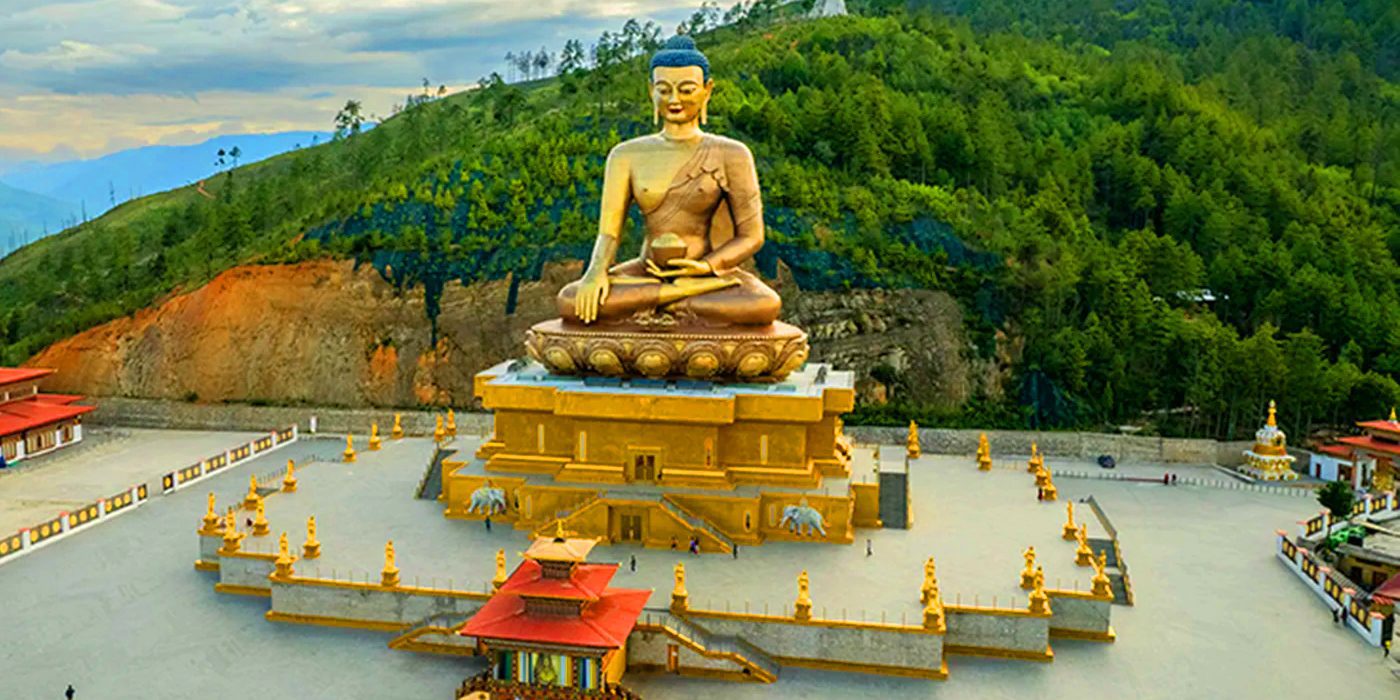
Seeking introspection in the world’s most kinetic country might seem counterintuitive. India’s religious landscape operates on a different frequency, where contemplation rarely happens in isolation. Instead, it is found within the rhythmic chanting along the Ganges, the strict discipline of daily rituals, and the austere silence of high-altitude deserts. For travelers fatigued by commercialized wellness culture, the subcontinent offers a culturally complex approach to finding center. This requires traversing a vast spectrum of faith, moving beyond surface-level aesthetics into the structural heart of the region.
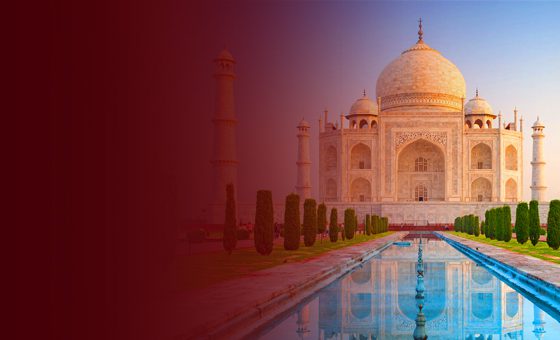
A structured expedition through these epicenters often initiates in the Mughal corridors of Delhi, moving swiftly toward the architectural reverence of Agra. While recognized globally as a monumental mausoleum, its geometric symmetry physically manifests Sufi concepts of divine order and impermanence. But spiritual encounters in this region are not limited to marble structures. Shifting from architectural precision to raw wilderness, observing apex predators in the forests of Ranthambore provides a visceral confrontation with nature’s sheer dominance, sharply contrasting the astronomical and royal precision built into the sandstone observatories of Jaipur. Travelers looking to combine the historical weight of these cities with the untamed Indian ecosystem often utilize structured routes like the Taj & Tiger Tour, which engineers an exact balance between civilization’s monuments and the feral jungle.


Northward, the spiritual topography shifts dramatically, demanding a different kind of presence. In Amritsar, the Harmandir Sahib anchors the Sikh faith. The golden reflection on the sacred pool is visually striking, but the true gravity lies within the Langar—the communal kitchen feeding tens of thousands daily in a staggering display of egalitarian duty and absolute service. Further up, the high-desert plateaus of Ladakh strip away the sensory density of the plains. Here, Tibetan Buddhism thrives in extreme isolation. Monks maintain ancient libraries and practice disciplined meditation in cliffside monasteries, completely detached from modern urgency. Experiencing this sharp contrast between communal devotion and ascetic silence requires precise logistical planning, effectively mapped out in the Ladakh & Golden Temple Tour.
Following glacial meltwater south, the river systems dictate the religious pulse of the nation. The Ganges forces a final recalibration at Rishikesh. This is not merely a retreat; it is a direct confrontation with the river that sustains half a billion people. Evening Aarti (fire ceremonies) cut through the dusk with heavy brass bells, demanding complete psychological focus. The ashrams here focus on rigorous theological study and disciplined yoga rather than passive relaxation. Navigating the integration of the classic northern forts with this intense river culture is complex, but itineraries such as the Tour del Triángulo de Oro con Rishikesh or its extended 11-Day Variation provide the necessary infrastructure to absorb the culture without succumbing to transit fatigue.
Attempting to stitch these distinct spiritual and ecological zones together independently often results in severe logistical burnout. The reality of domestic transit, inter-state permitting, and localized chaos can easily overshadow the intended purpose of the journey. A meticulously engineered itinerary bypasses this friction. By removing operational stress, travelers can focus entirely on the cultural gravity defining these regions. Whether you are charting a course through the northern Himalayas or the central plains, exploring a curated repository of India’s core destinations allows you to align your specific intellectual interests with a structurally sound travel plan. The goal is not merely to observe the subcontinent, but to comprehend its complex mechanics of faith and existence without the burden of logistics.
Vivamus nec mattis ipsum. Nam fringilla laoreet dolor. Aliquam lacus nisl, viverra ac convallis sit amet, fermentum vitae magna.
Suspendisse eu nunc sit amet est fringilla lobortis bibendum iaculis ante. Proin varius, lorem ac lobortis dictum