
info@lotusofindia.com
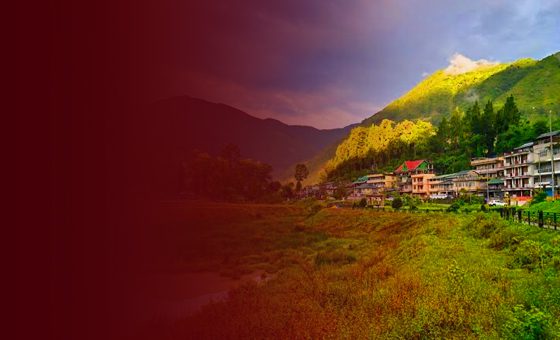
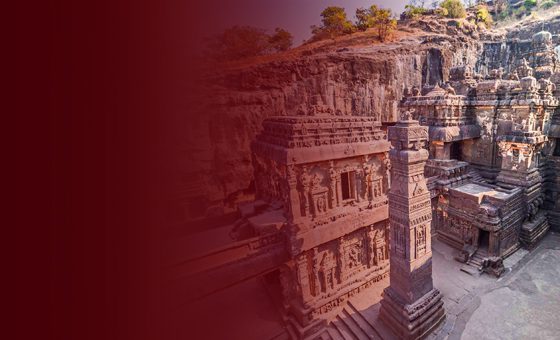
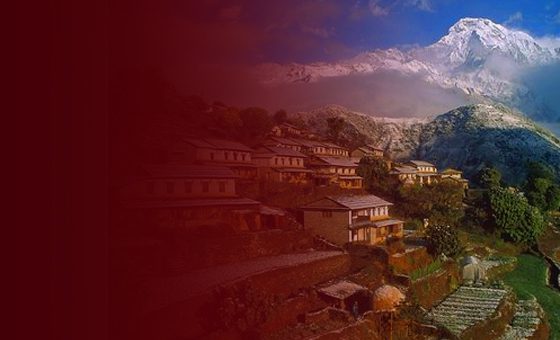
Get a taste of historic splendor at the heart of the European continent
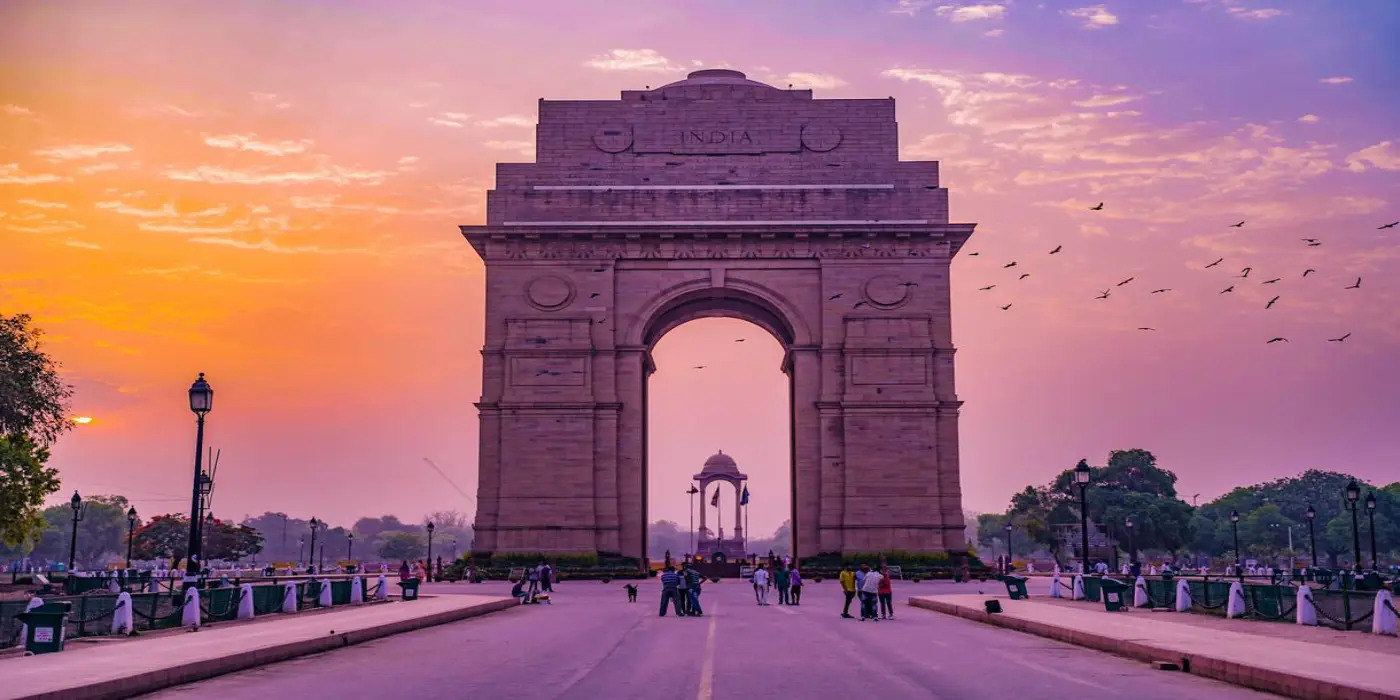
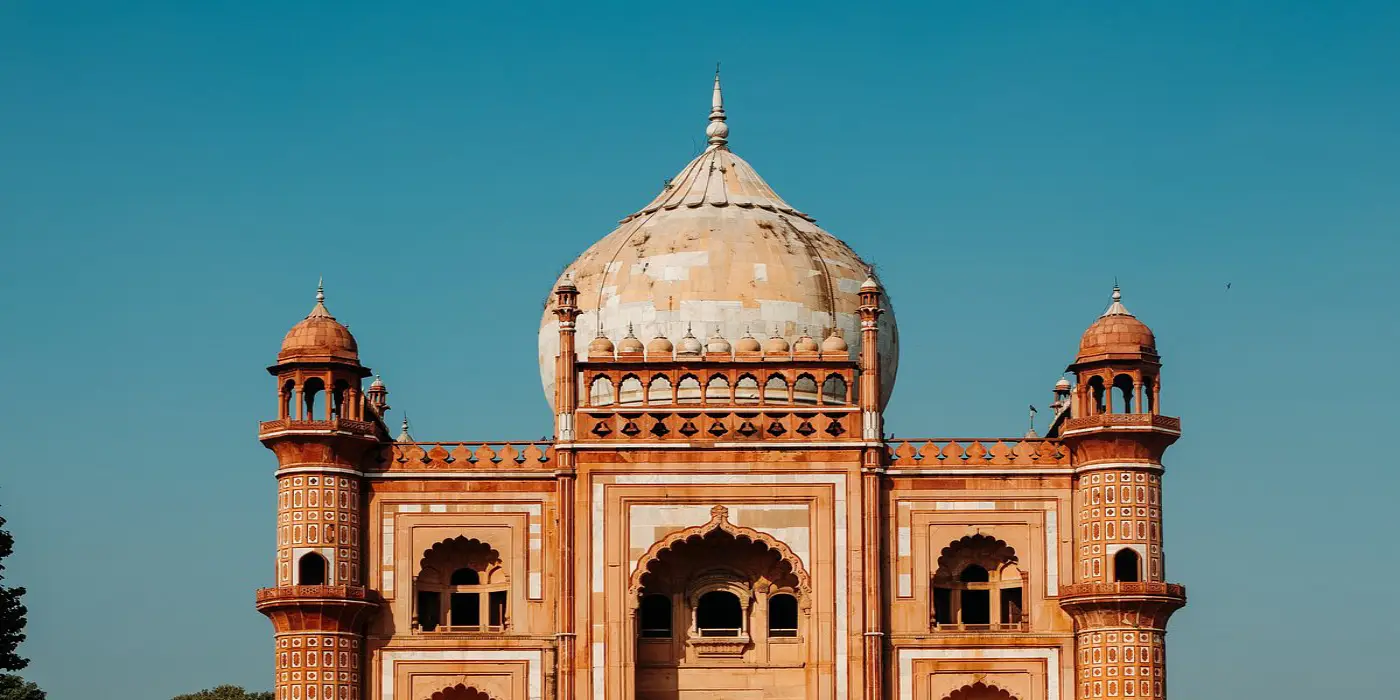
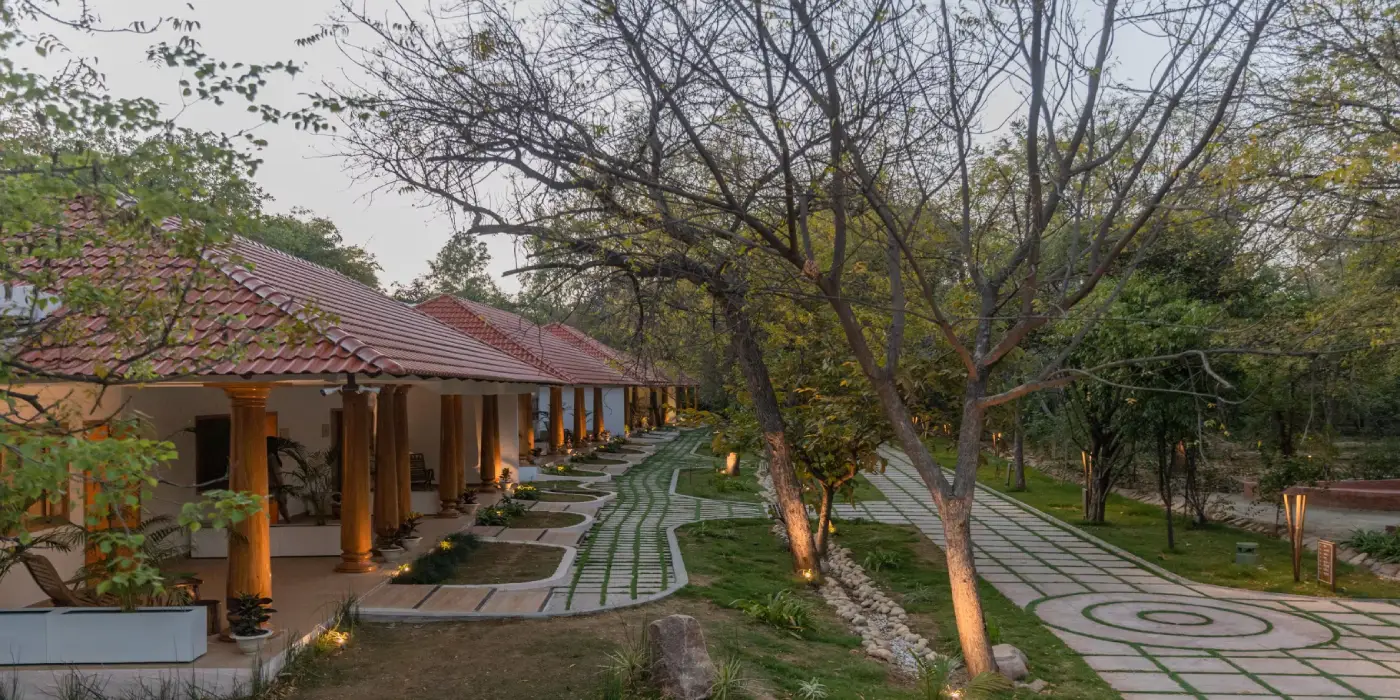
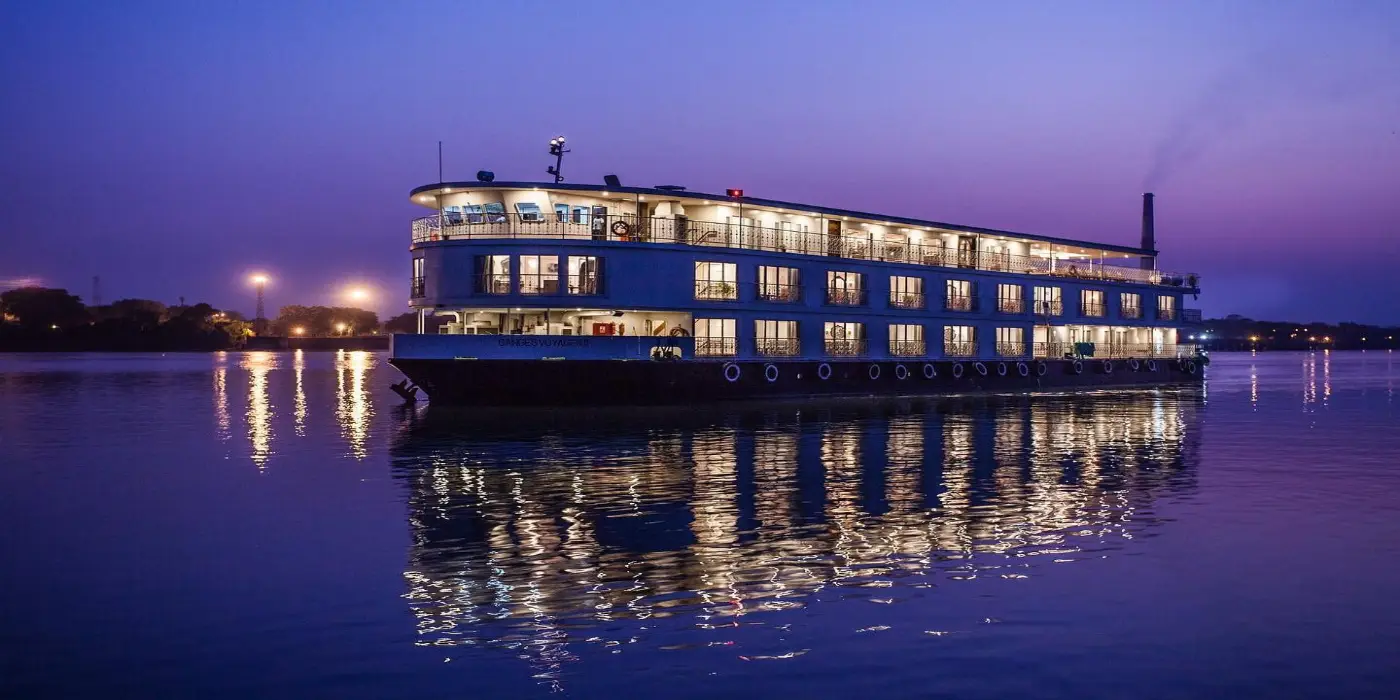
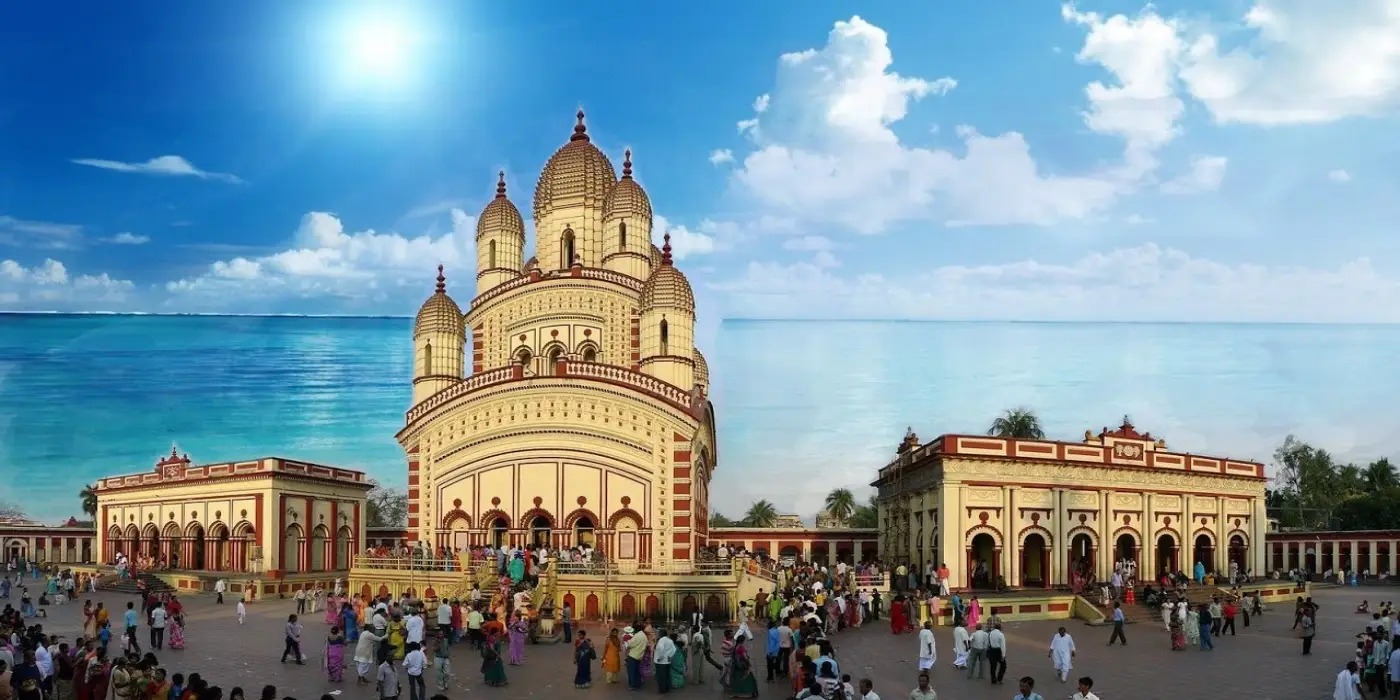
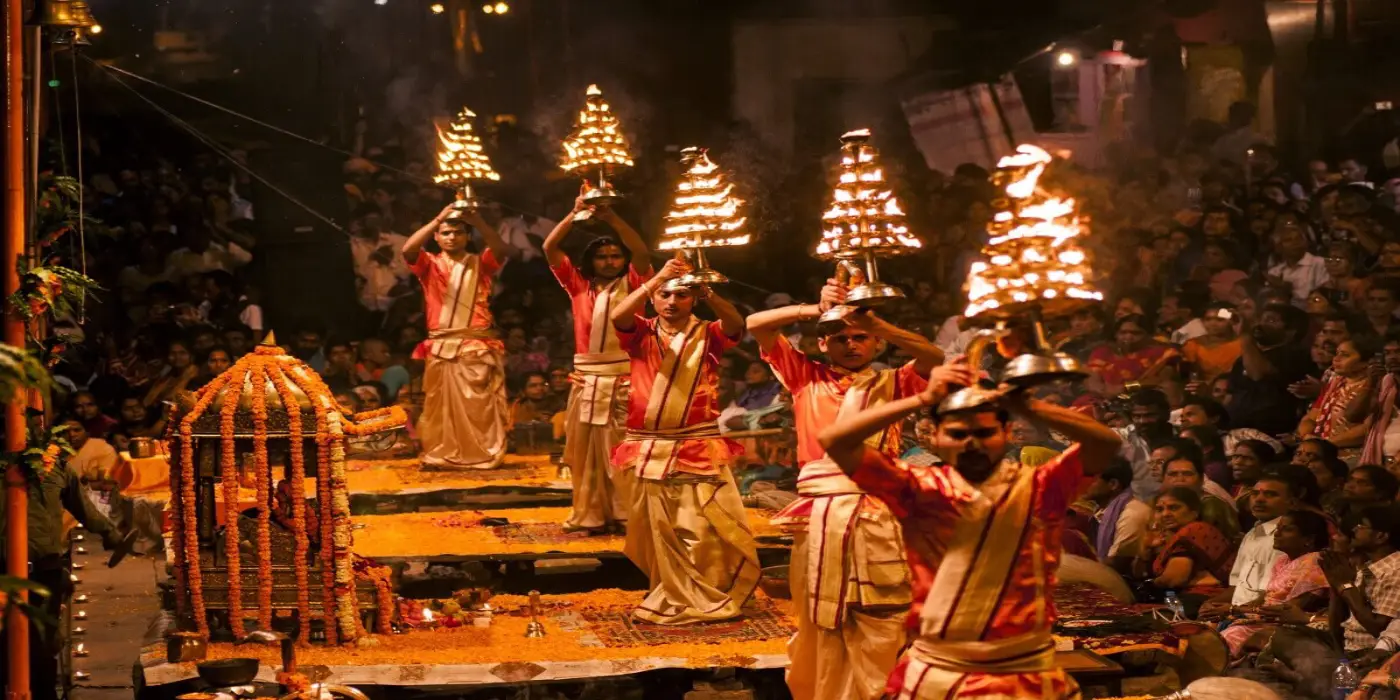
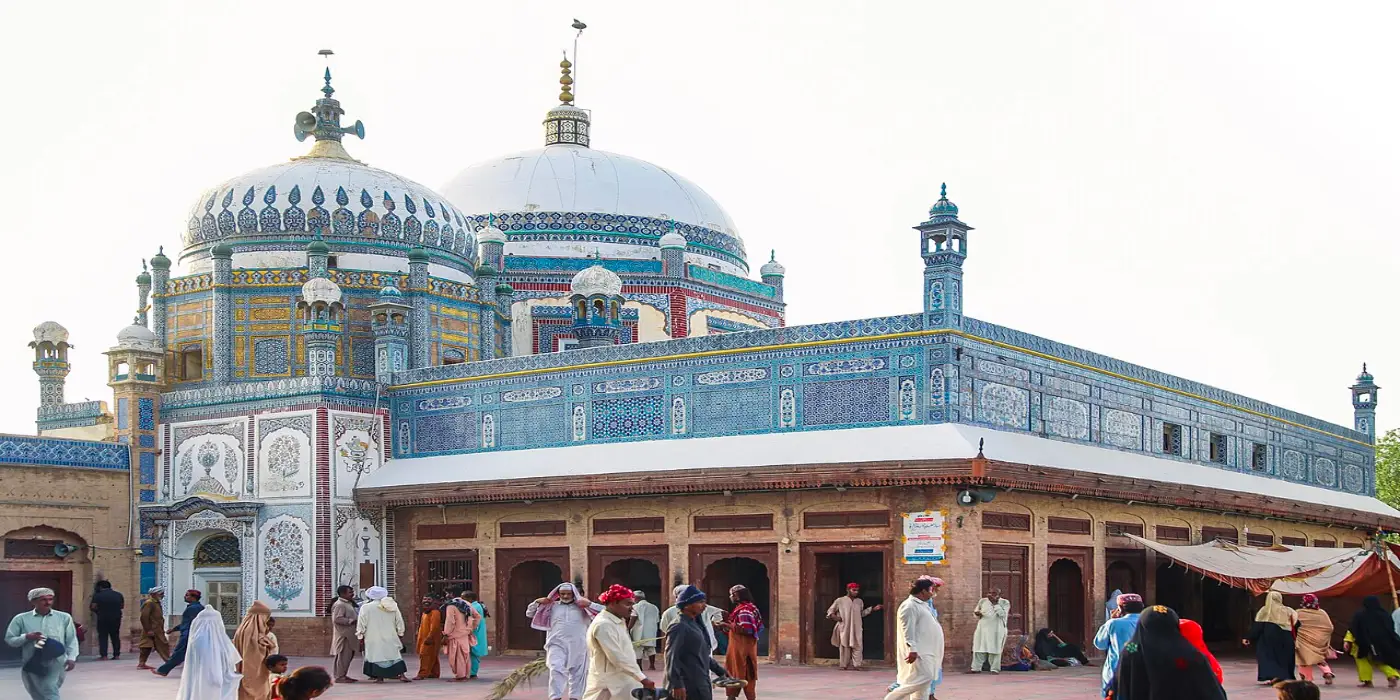
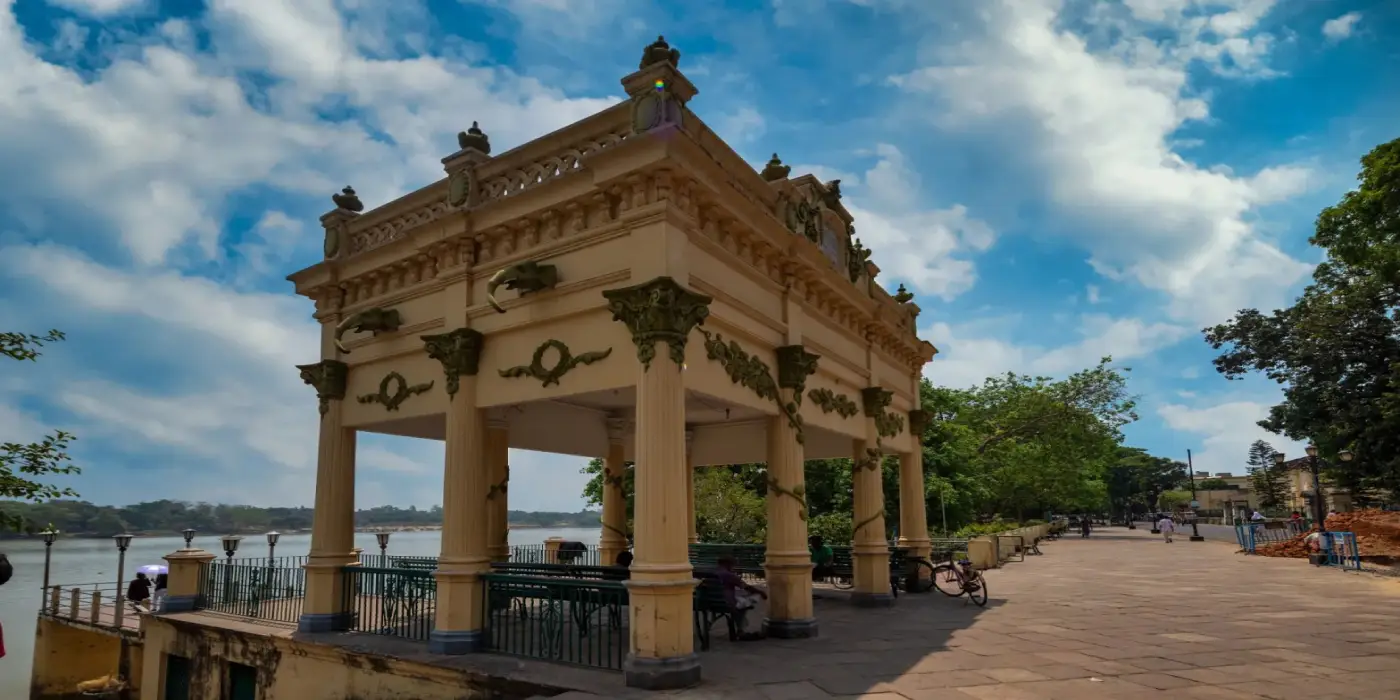
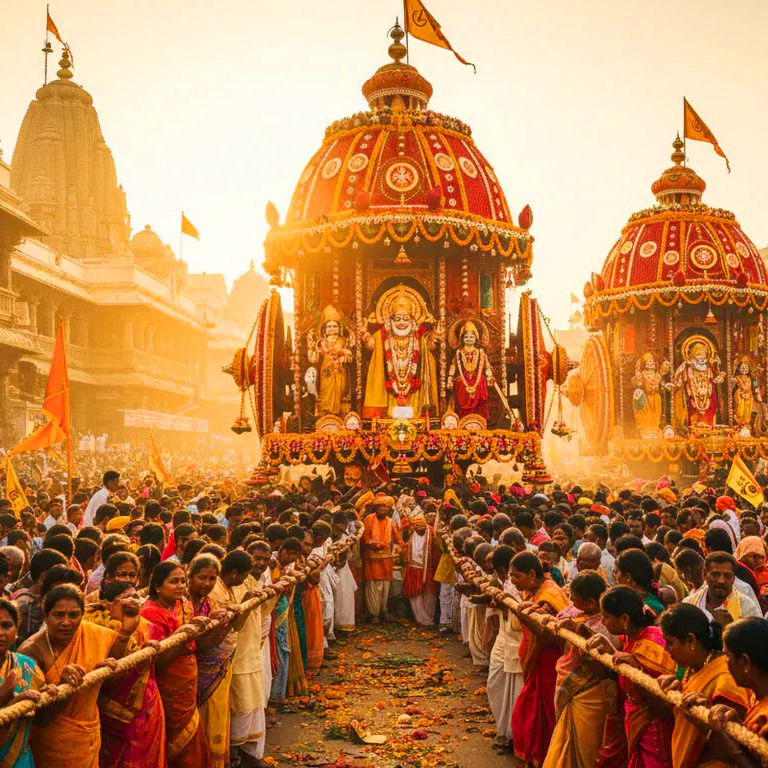
Check in at Vivada jetty, Millennium Park as per convenience. Depending upon the tide the cruiser sails past the Howrah Bridge late evening or early morning next day.
The Europe on Ganges: There are 5 European reminiscence within 40 km north of Kolkata and were trading post. The vessel will drop anchor at these places as per the guests’ choice. Visit any two or more. Barrackpore, the British Governors residence, Serampore: the Danish Colony under the name Frederiksnagore from 1755 to 1845 Chandannagore -the French colony from 1673 to 1952, except between 1757 to 1794 when it was under the British. Chinsura – The Dutch had followed the Portuguese and Spanish to set up trading posts in India in 1615. They had stayed on till 1825, after which the British took over. Bandel – This means Port in Bengali, the place appears to the port during the time of Portuguese.
Kalna – Maharajas of Bardhaman built several magnificent temples with intricate terracotta ornamentation, the main one being 108 Shiv Mandir built in 1809 in traditional chala architecture and the Raj Bari which house most of the temples. Shantipur / Fulia – The weavers of fine Bengal cotton come from here. The village is rich in handloom weaving. The weavers here blend the traditional art with the modern life style needs, offering rich variety of textiles, sarees, stoles, fabrics etc.
Mayapur and Matiari: These are the headquarters of ISKCON, preaching the power of prayer to attain salvation. Matiari – Kansha (Bell metal wares) was a poor man substitute to the rich silverware used in Bengali homes for prayers, table wares and also for cooking. The traditional Kansari artisans make from scrap metals and are handcrafted wares and artifacts.
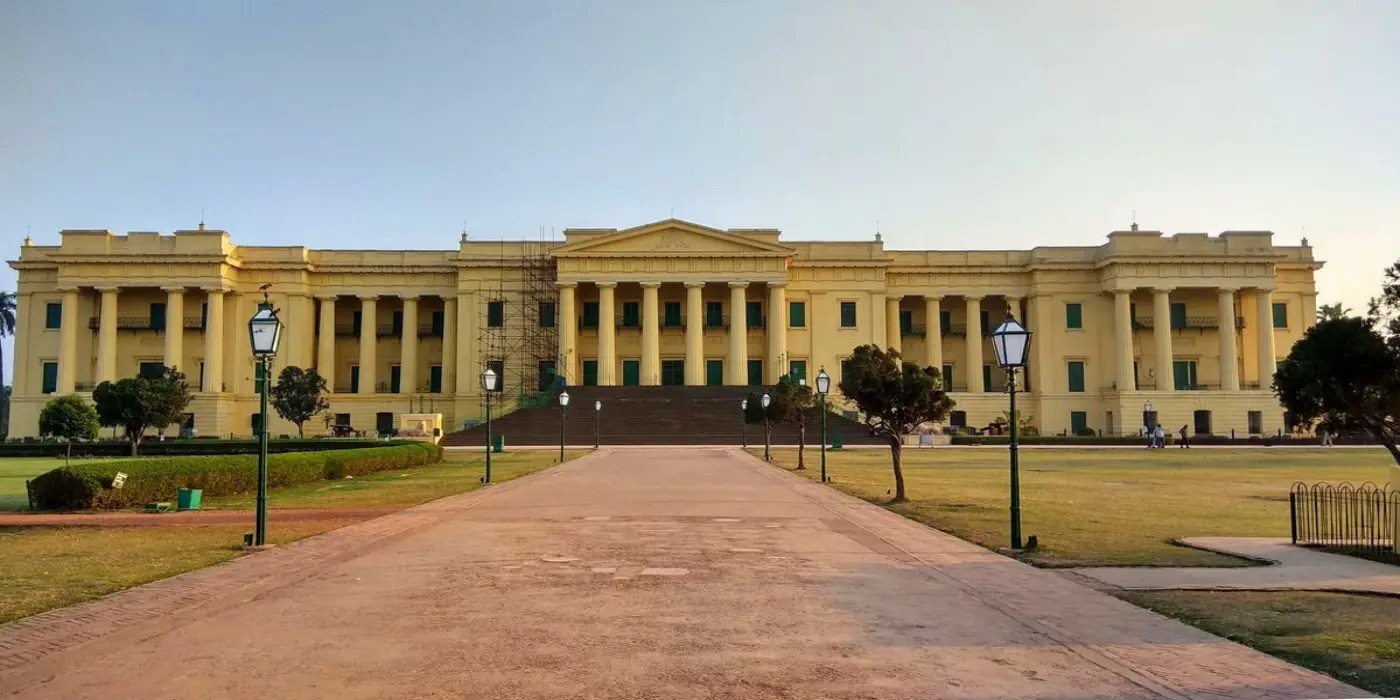
The Nawab Murshid Quli Khan made Murshidabad the capital city of Sube Bangla, comprising of Bengal, Bihar and Orissa. The East India Company reigned from here for many years after the Battle of Plassey. Visit Nizamat Kila, also known as the Hazaarduari Palace built by Duncan McLeod of the Bengal Engineers in 1867, in the Italianate style, Katra mosque and Katgola Gardens.
Farakka Barrage is the world’s longest Barrage, controlling the sharing of waters between India and Bangladesh. Depending upon the check in time experience the sail through Farakka barrage – the lock gates open between 9am to 11 am with prior permission. The Farakka Barrage is the longest barrage in the world as per the Guinness Book of World Records with 101 gates. Visit Gaur at Malda. Gour, located 16 km from Malda town, has major historical significance, as it was the capital of Bengal for several centuries. Gour has a number of monuments like Small Golden Mosque, Bara Darwaza, Dakhil Darwaza, Firoz Minar, Kadam Rasut Mosque, and the Tomb of Saint Makhdum Shaikh Ached Siraj. This tour is available for forenoon check in only.
With strong currents the cruiser slows down to almost half the speed. As we cruise slowly, the beautiful country side of Jharkand and Bihar unfolds – Rajmahal and then to Manihari. Manihari is located on the banks of the holy Ganga River where it meets the Kosi River. Today if time permits the guests can disembark at a village and walk about for a while.
After early breakfast disembark at Bateswarsthan to visit Vikramshila. It is built by Bengal King Dharmapala in 8th Century. The Monastery gradually gained importance and became a centre for Tantric Buddhism. Embark at Kahelgoan by forenoon.
Bhagalpur: The city of finest raw silk and a historic town of Mughal period. It is believed that the Moghal emperor built a relief camp which his sister Jehanhara looked after and later the area came to be known as Jehanabad. Visit the weaver’s colony and explore the Jain relics in the area.
Munger Fort is built on a rocky hillock on the south bank of the Ganga River. The fort houses a number of religious and historic monuments such as the Tomb of Pir Shah Nufa (died 1497), Palace of Shah Suja, Tomb of Mulla Muhammad Said (died 1704 AD), the Kashtaharini Ghat on the Ganga River, Chandisthana (an ancient temple) and an 18th century British cemetery. Bihar school of Yoga: Yoga will become the culture of tomorrow. Ganga Darshan as it is also called a spiritual lighthouse, illuminating, revealing and teaching the ancient wisdom of yoga for the benefit of people across the globe.
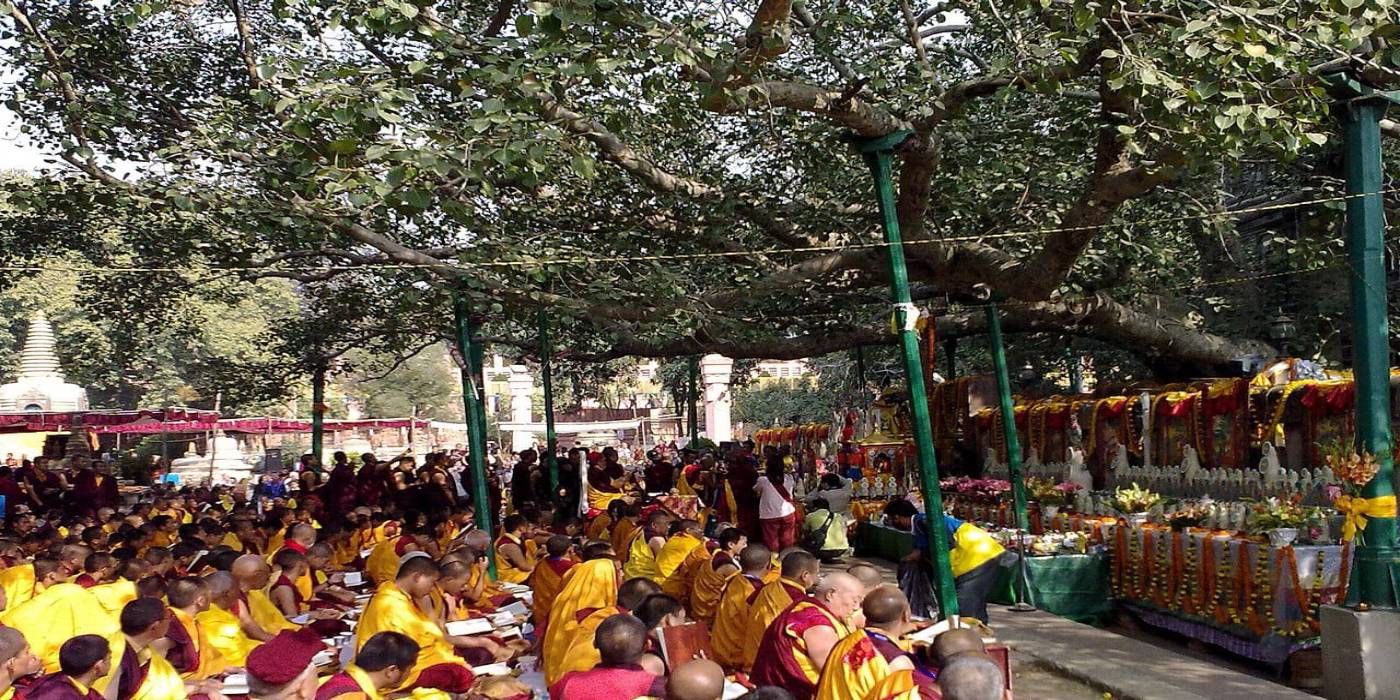
Sail up to Samaria the final port before you disembark by forenoon. Continue drive to Bodh Gaya. On the way visit Nalanda and Rajgir. Nalanda was a great Buddhist centre for more than 1000 years until the monastery, school and library were sacked and burnt by Muslims. The Chinese scholar Huien Tsan stayed here for 5 years in the early 7th cent. AD. There were 10000 monks and students in residence. Later drive to Rajgir or Rajagriha. It was the capital of Magadhan Empire before Pataliputra occupied from 1800 BC. Visit Gridhkuta, which was one of Buddha’s favorite places where he delivered many important sermons. Also visit Saptaparni Cave on Vaibhara Hill. The first Buddhist council was held here and Buddha’s teachings were written down for the first time. Visit Vishwa Shanti stupa and Venuvana, the bamboo grove where Buddha spent some time. Continue drive to Bodh Gaya, the place where Gautama Buddha attained unsurpassed, supreme Enlightenment. Later in the evening visit Mahabodhi temple with the tree, below which Buddha was enlightened, the footprints of Buddha and the monastery. The Temple houses a mammoth statue of Buddha. The magnificent Mahabodhi Temple, which is an architectural amalgamation of many cultures marks Bodh Gaya and is listed in the World Heritage Site. Overnight at the hotel.
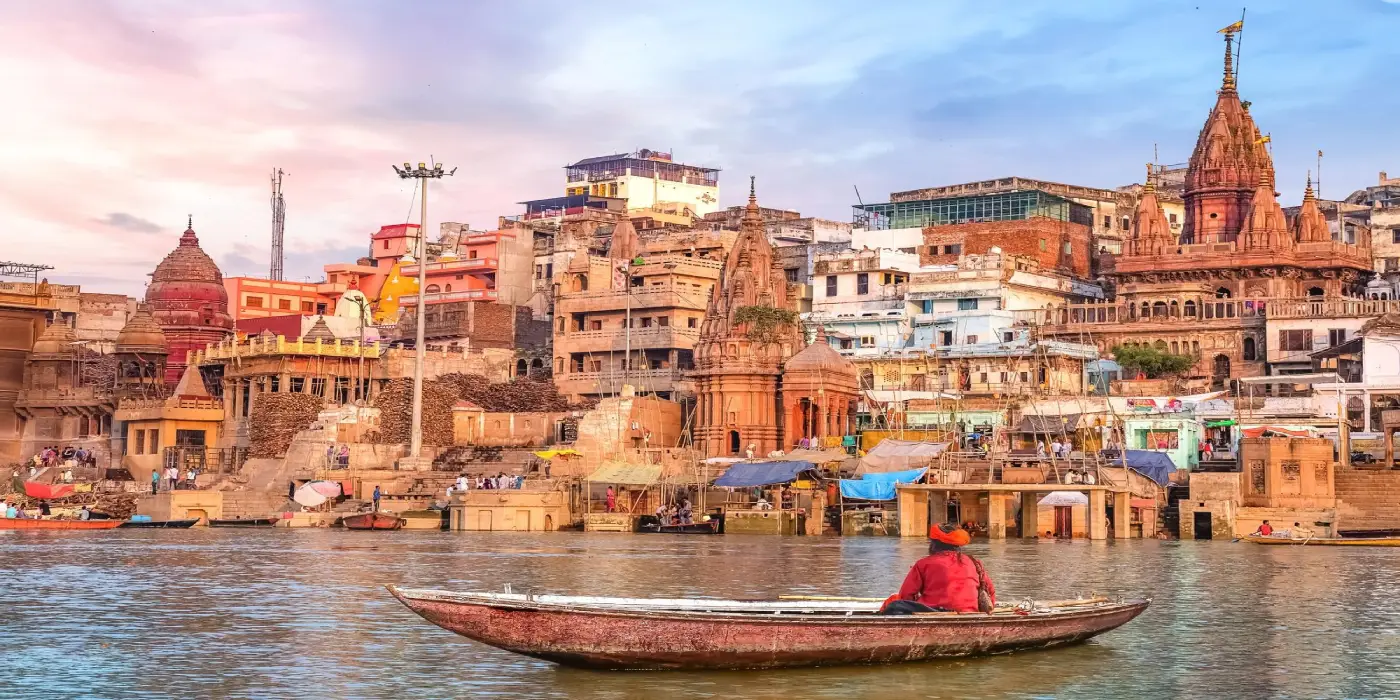
After breakfast drive to Varanasi. On arrival in Varanasi, transfer to hotel. Situated between the rivers Varuna and Assi as they join the Ganges, Varanasi takes its name from its location. It is often referred to as the oldest living city in the world. It is also known as Kashi, the city of light, but the British, in an endeavor to simplify matters, had coined their own name for the place- Benaras. Varanasi is the city of a thousand temples. Its Prominence in Hindu mythology is virtually unrivalled. Today in the evening visit religious ceremony at the Ghats of river Ganges, this is one of the prime attractions. Overnight at the hotel.
Today early morning you experience the life of this ancient city. See the beauty of the rising sun on the Ganges Boat Ride. Experience the early morning rituals of the Hindus being performed, thousands of people taking a bath in the holy river believing they will be free from the circle of rebirth. It is interesting to see the pilgrims offering sweets, flowers and holy water to the Sun God. Later visit Sarnath, a major Buddhist centre. Sarnath lies 10 kilometres north east of Varanasi. It was here that Buddha preached his message of the middle way. In around 234 BC, Emperor Ashoka, a great follower of Buddhism, erected a stupa here. Between the 3rd century BC and the 11th century AD, several Buddhist structures were built here in Sarnath. Overnight at the hotel In time transfer to the airport and board flight to Kolkata and from Kolkata connect flight for onward journey.
Continuation of early morning rituals, river boat ride, or final transfer to the airport for your flight back to Kolkata and onward connection.
Embark on an epic and enriching 14-day expedition along the sacred River Ganges, traversing the historic eastern states of Bengal and Bihar. From ancient archaeological sites and colonial remnants to spiritual hubs like Bodh Gaya and Varanasi, this immersive journey uncovers the deep cultural fabric and history of India.
Level of Physical fitness required for the Lotus of India tour?
Guidelines for Different Religious Sites
Typical Dress Code for Churches and Cathedrals
Dress Codes in Mosques
Tips for Respectful Attire
Layering for Comfort and Respect
Understanding Local Customs
Cancellation and Refunds Policies
Land Portions Refund Datelines: ( Hotels, Tours services, Sightseeing tours )
| Number of days prior to Departure | Cost of Cancellation (Minimum Cancellation after booking) |
|---|---|
| 120 days or more | 15% of the total tour cost |
| 119 to 60 days | 25% of the total tour cost |
| 59 to 30 days | 50% of the total tour cost |
| Below 30 days | 100% of the total tour cost |
Foreign travelers often worry about physical strain, especially seniors and couples. Physical comfort is managed proactively rather than reactively. Private tours control walking distances. Vehicles drop travelers close to sites, and visits are planned during less crowded hours.
Food concerns are extremely common. Travelers worry about hygiene, food spice levels, and digestive issues. Private tours ensure meals are taken in reputable restaurants and hotels where hygiene standards are controlled. Spice levels are adjusted, and dietary needs are respected. Most food-related problems occur when travelers eat randomly or without guidance.
Travel anxiety often peaks around “what if” scenarios. Delays, illness, missed connections, or fatigue worry travelers before booking. Private tours include contingency handling. Drivers, guides and operators respond immediately to changes without traveler involvement. This safety net is one of the strongest reasons foreign travelers choose private tours.
Fear of rushed itineraries is common, especially among travelers who have seen aggressive group tour schedules. Private tours are paced according to traveler energy, not preset checklists. Days are balanced, and sightseeing is spread logically. Foreign travelers often say they see less but understand more, which improves satisfaction.
India requires more planning than many destinations because of its scale and diversity. Foreign travelers often underestimate travel times, climate differences, and regional variations. Private tour planning absorbs this complexity. Routes are optimized, rest is built in, and seasonal factors are considered. Good planning reduces surprises, which is essential for confidence.
There is a misconception that private tours are only for ultra-luxury travelers. Private tours exist across comfort levels. The defining feature is personalization, not price. Even mid-range private tours offer better control and ease than budget independent travel. Luxury private tours simply enhance comfort further through premium hotels and experiences. Foreign travelers choose private tours not to show wealth, but to avoid friction.
From
From
From$14,680.00
From$6,180.00

From$0.00
From$7,185.00
Authentic India. Exceptional Journeys
Top Destination
Information
Follow Us

No hay valoraciones aún.